Car Character
  • Home
  • Where Did Car Character Go?
  • Color
  • Shape
  • Sound
  • Interactive Motoring Atlas
  • About
An Empirical Motoring Investigation • 1970 — 2024

Where did car character go?

Cars used to feel different. But what does “character” actually mean?

When drivers argue that modern cars lack personality, they usually point to three complaints:

CLAIM 01 “They are all grey.”

Did automotive paint palettes actually shrink?

CLAIM 02 “They all look the same.”

Did vehicle body shapes and silhouettes converge?

CLAIM 03 “They sound like appliances.”

What happened to mechanical variety and acoustics?

A feeling isn't data. We gathered 55 years of paint popularity, 16,334 classified body dimensions, and 29,880 powertrain records to measure what changed.

Physical Proportion Data • 1970 — 2024

Cars changed shape.

Across thousands of vehicles, the dimensions tell a different story than photographs alone.

Below, vehicle length is plotted against vehicle width for 16,334 classified production vehicle records. As decades progressed, automotive footprints shifted from the low, slender proportions of the 1970s and 1980s to the broader, longer silhouettes of modern roads.

Filter Decade:
Units:
Dataset: 16,334 verified vehicle records (1970–2024) across 2,841 model dimensions
Interactive: Hover or tap any point to inspect individual vehicle specifications

Each mark represents a classified vehicle in the dataset. Together, they show how the physical proportions of cars have shifted across the period.

Data source: 16,334 production vehicle specifications (1970–2024) with physically verified overall length, overall width, and generation production year from the project archive. For deep-dive body type distributions and cross-sectional comparisons, visit the Shape tab.

Visual Progression • Six Decades

The Photographic Record

How exterior design cues and proportions evolved generation by generation.
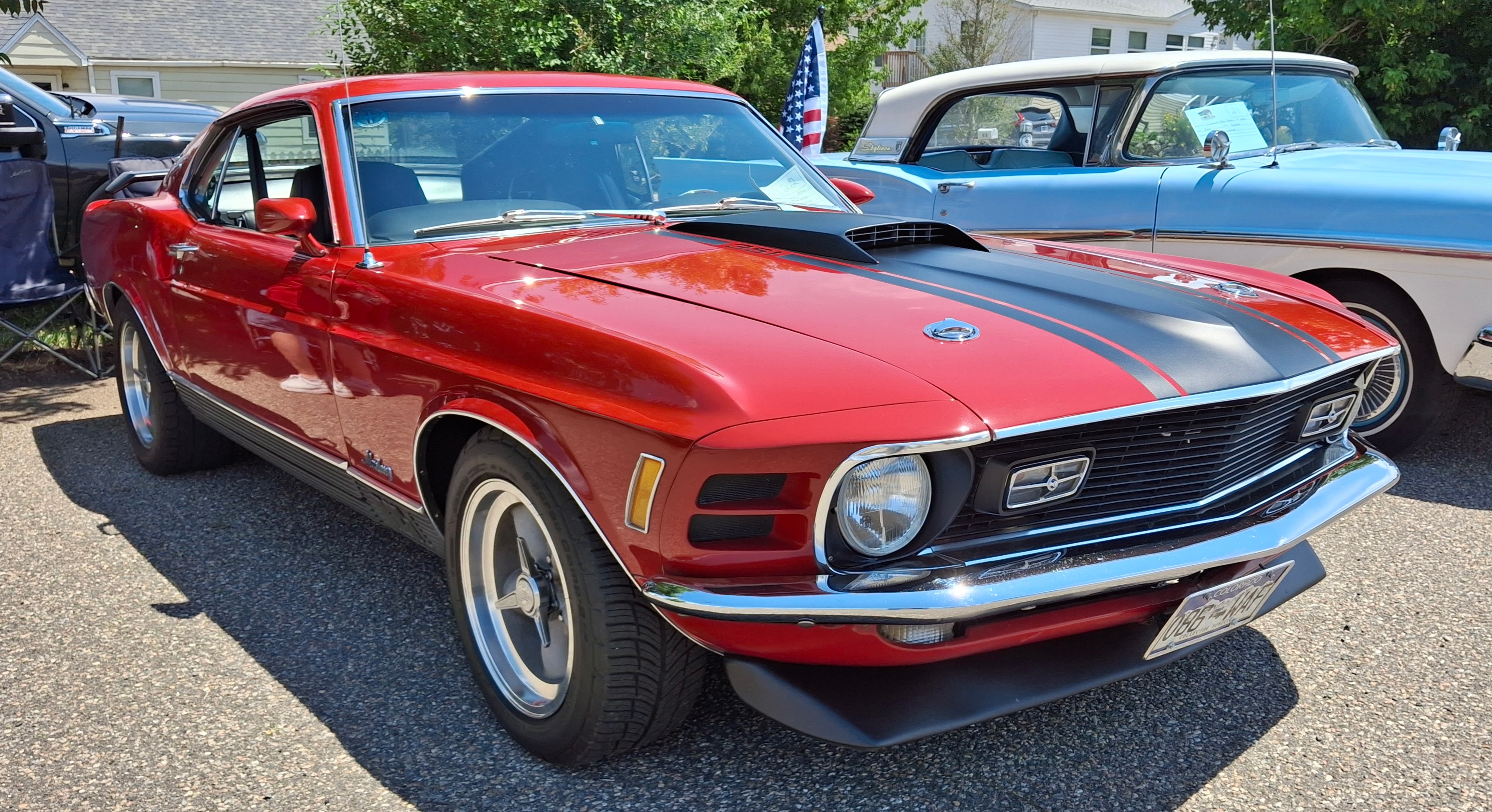
1970s
1970 Ford Mustang
1970 Ford Mustang
187 in 3,120 lb 4.9L V8 210 hp
1980s
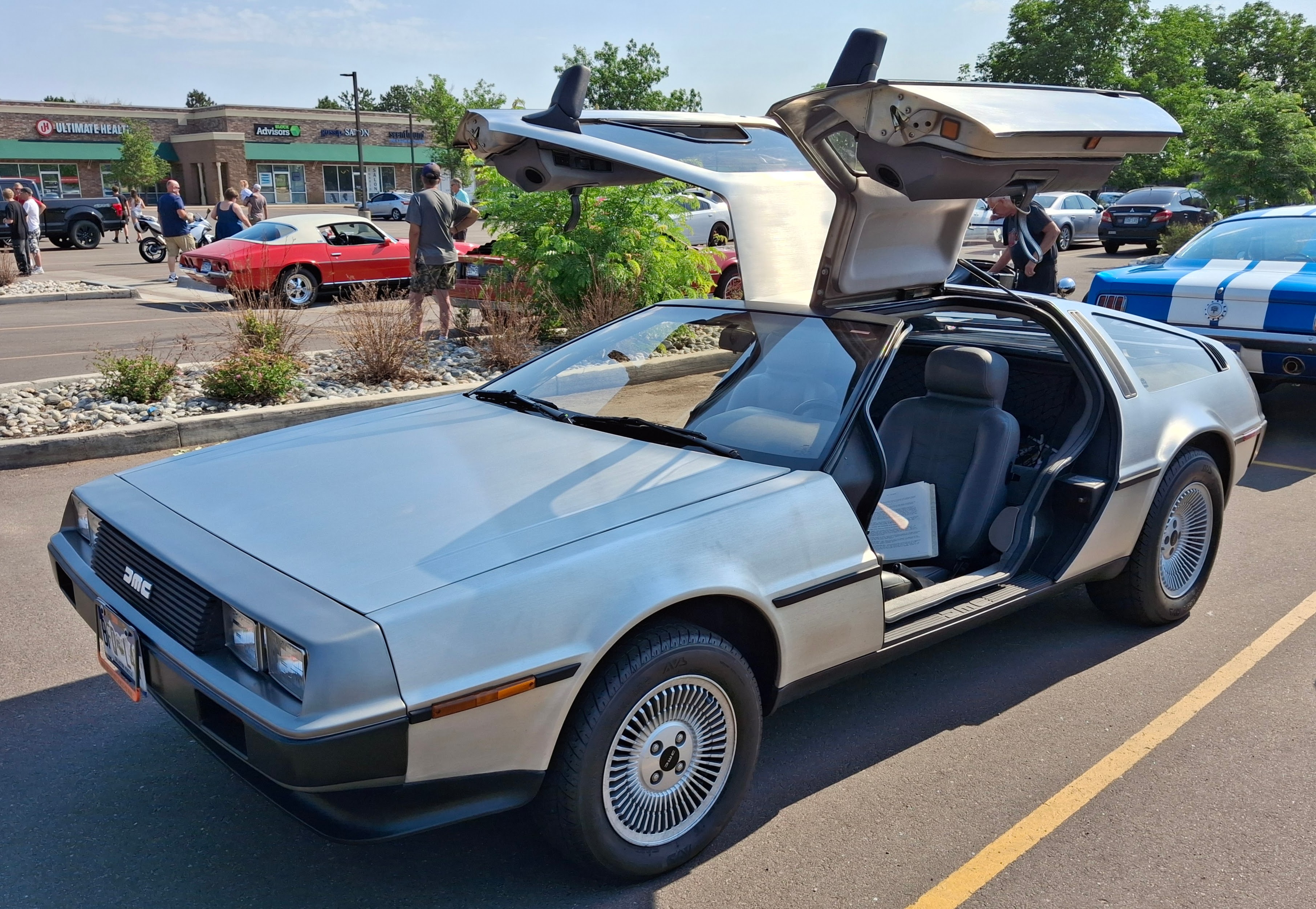
1981 DeLorean DMC-12
166 in 2,718 lb 2.85L V6 130 hp
1990s
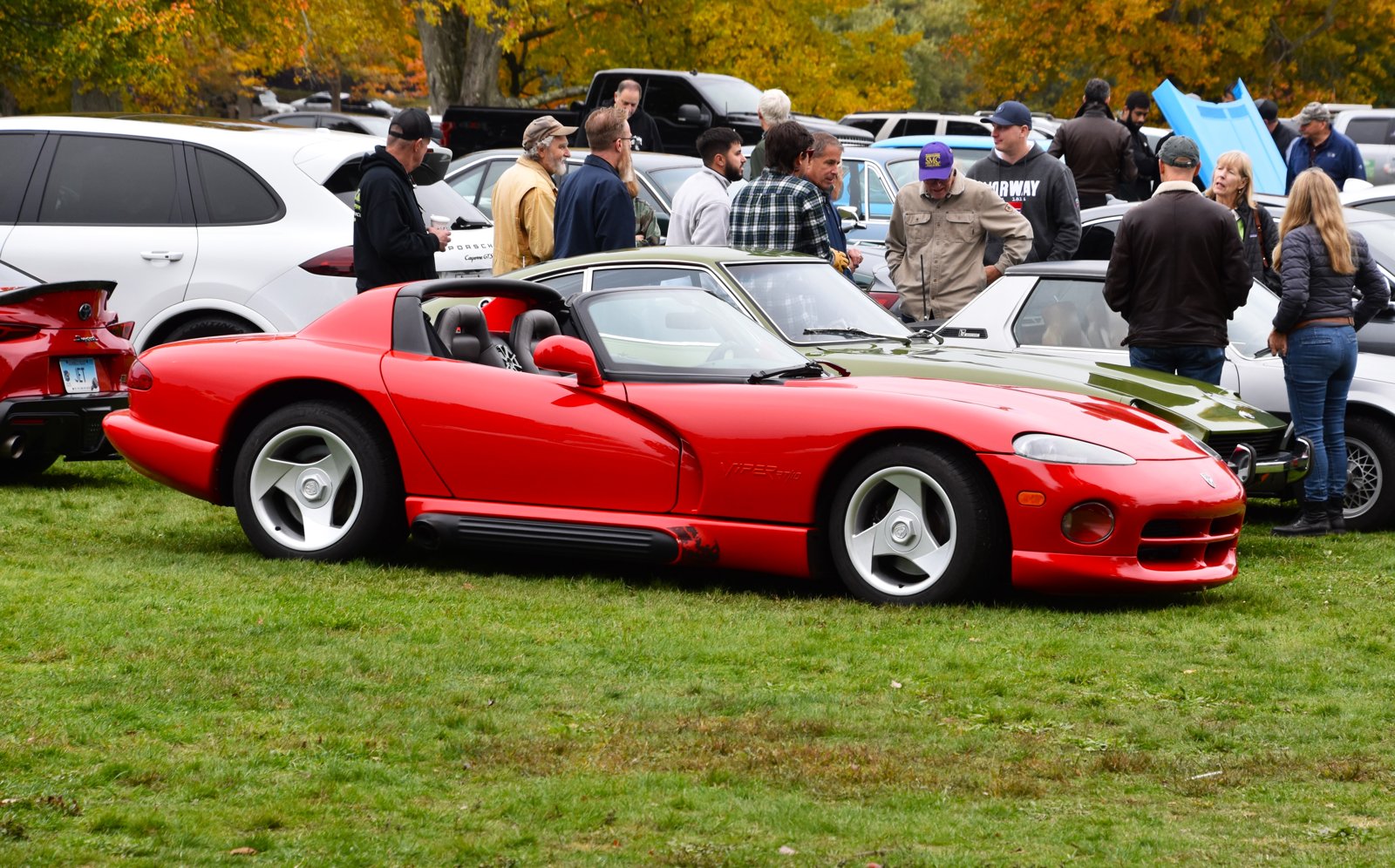
1992 Dodge Viper
1992 Dodge Viper
175 in 3,290 lb 8.0L V10 400 hp
2000s
2004 Lamborghini Gallardo
169 in 3,153 lb 5.0L V10 493 hp
2010s
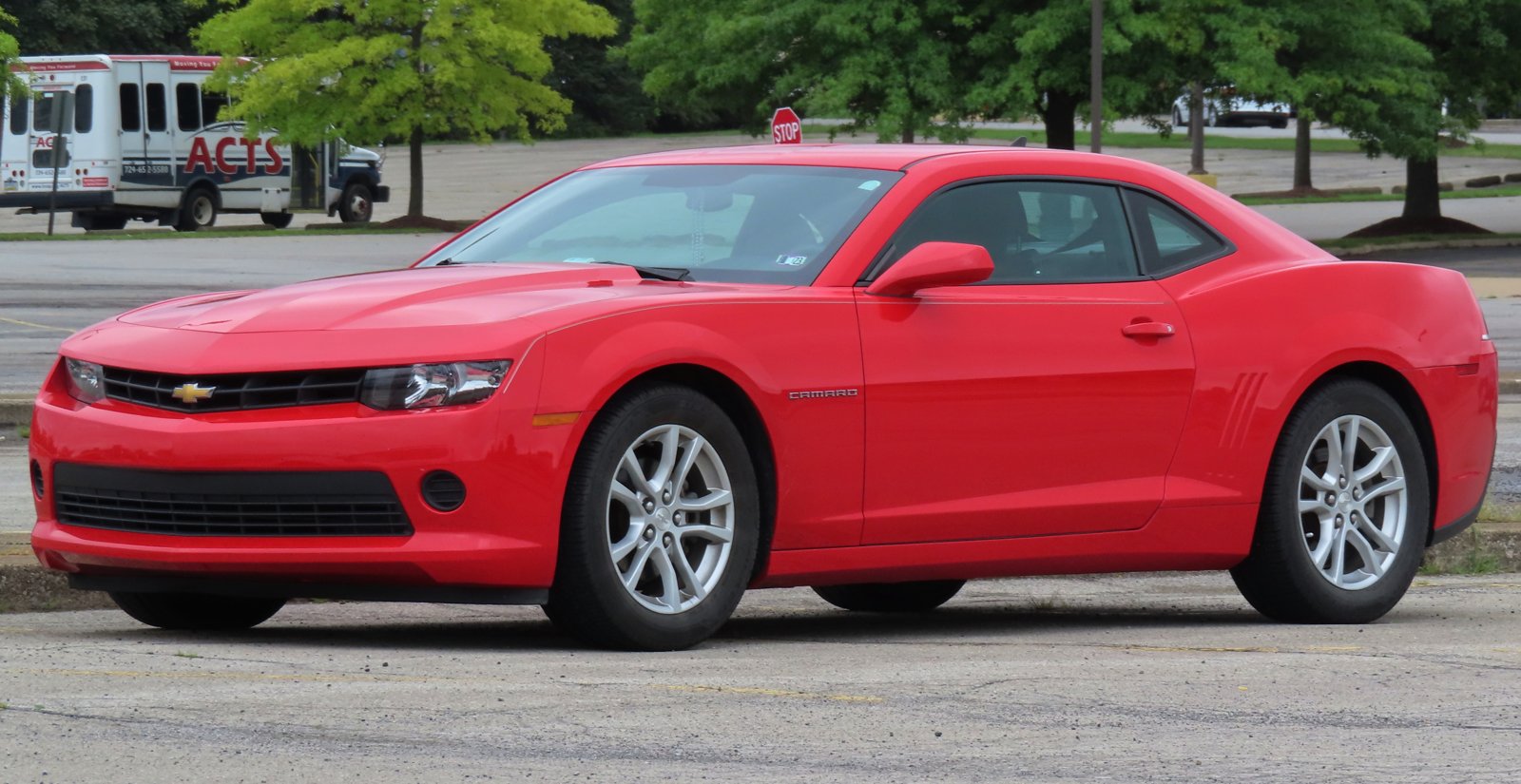
2010 Chevrolet Camaro
190 in 3,741 lb 3.6L V6 304 hp
2020s
2020 Toyota GR Supra
172 in 3,397 lb 3.0L Turbo I6 382 hp
Direct Benchmark Case Study

Forty Years of Shift: 1980 and 2024

Identical street length. Inverted design priorities.
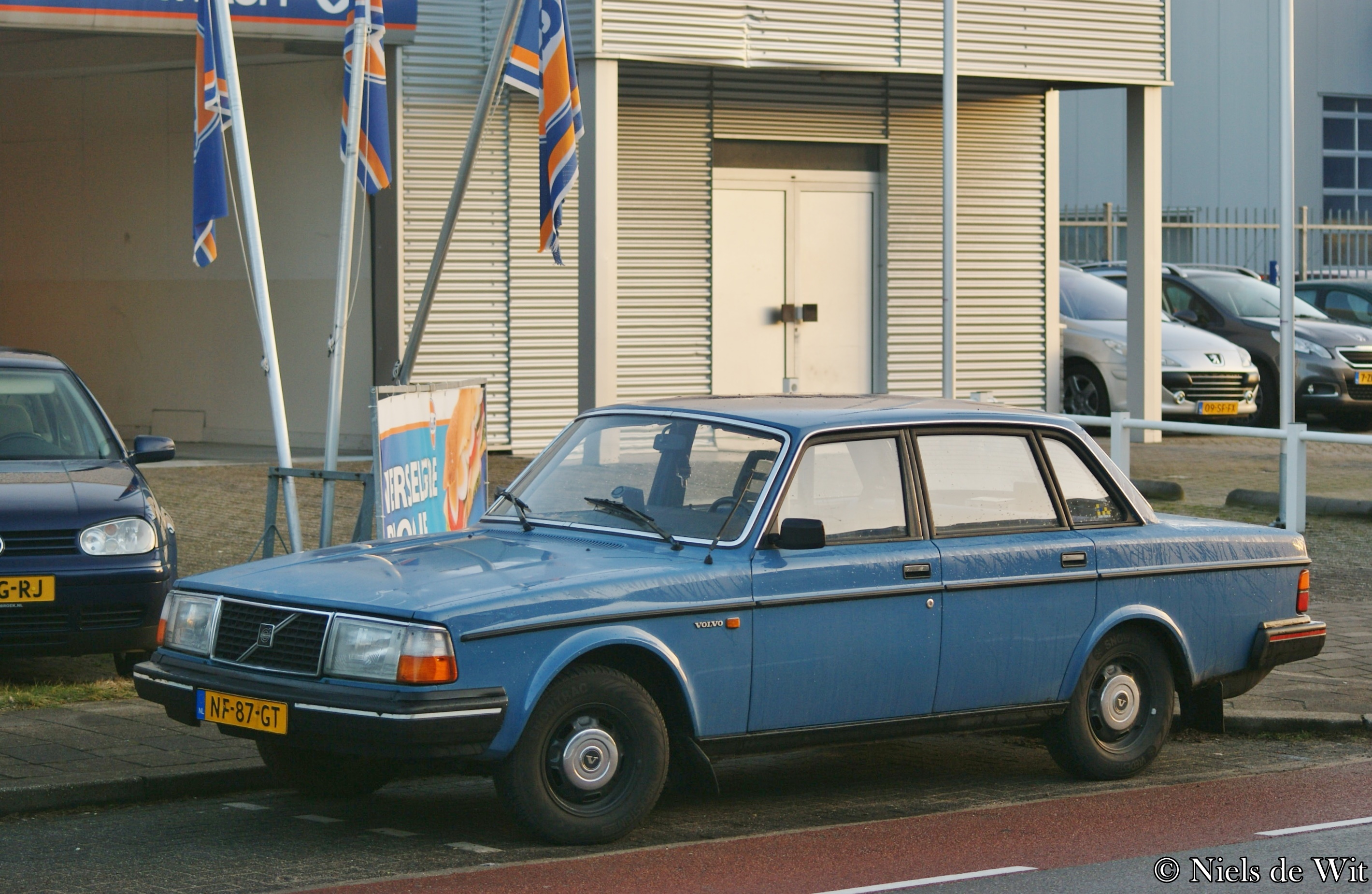
1980 Volvo 244 1980

Volvo 244

3-Box Compact Executive Sedan • Sweden
Length
188.2 in (4,780 mm)
Width
67.3 in (1,710 mm)
Height
56.3 in (1,430 mm)
Curb Weight
2,756 lb (1,250 kg)
Powertrain
2.0L Inline-4 Gas • 90 hp
Drivetrain
Rear-Wheel Drive (RWD)
VS
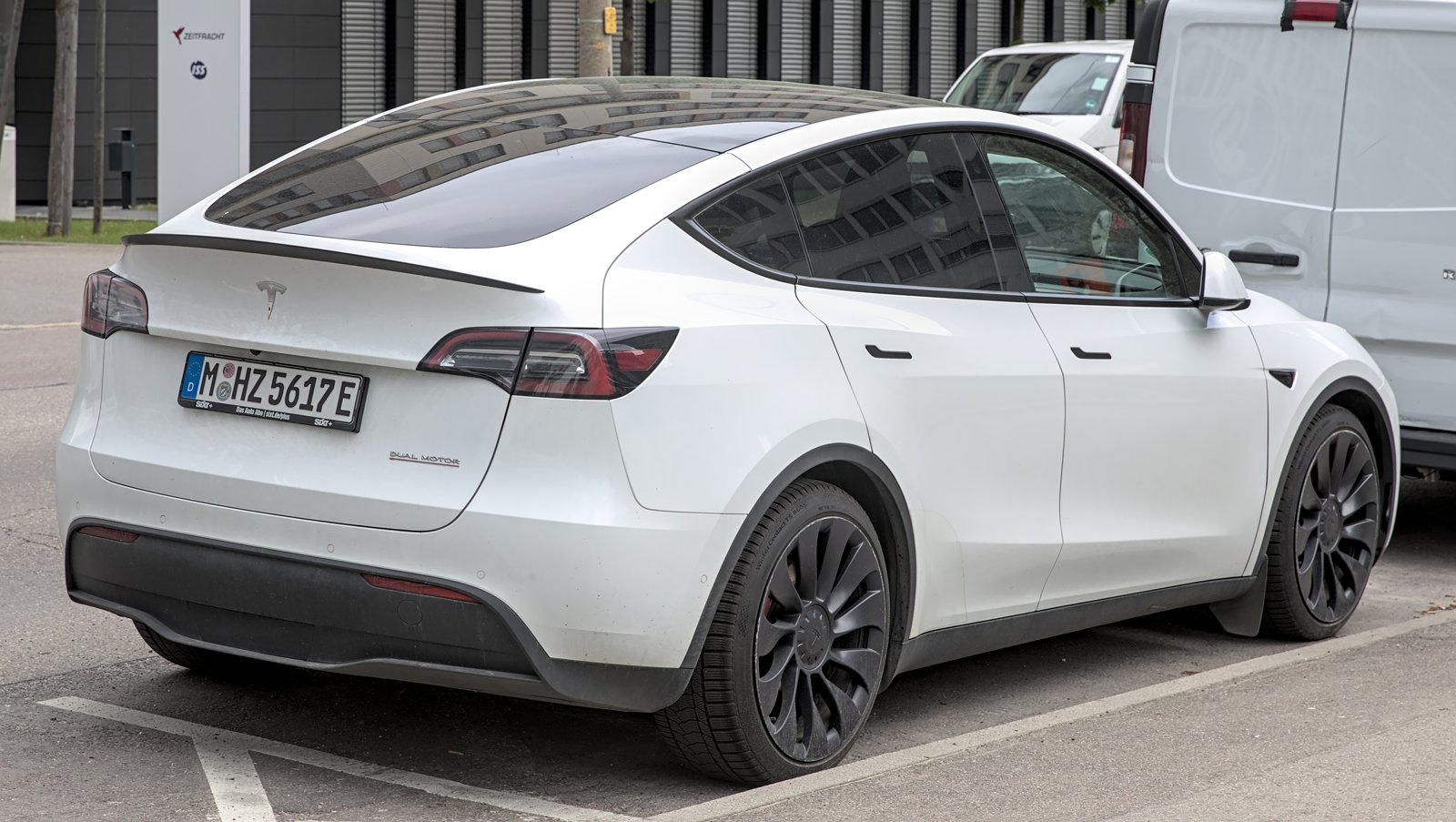
2020s Tesla Model Y 2024

Tesla Model Y

Fastback Crossover SUV • United States
Length
188.0 in (4,775 mm)
Width
78.0 in (1,981 mm)
Height
63.9 in (1,623 mm)
Curb Weight
4,403 lb (1,997 kg)
Powertrain
Dual Electric Motors • 514 hp
Drivetrain
All-Wheel Drive (AWD)
MEASURABLE SHIFT (1980 → 2024)
−0.2 in Length (Same Footprint)
+10.7 in Width (+16% wider)
+7.6 in Height (+14% taller)
+1,647 lb Weight (+60% heavier)
+424 hp Power (5.7× output)
EXPLORE THE STORY →